Discover the beauty of good frizz. Learn how to embrace natural texture, tame unwanted flyaways, and keep curls healthy and defined.
Good Frizz: Embracing the Texture You Were Born With
For years, frizz has been treated like the enemy of a good hair day. But here’s the truth: not all frizz is bad. In fact, good frizz is what gives curls, coils, and waves their personality, volume, and natural bounce. The key is learning how to tell the difference between frizz that adds life to your hair and frizz that’s just a sign of dryness or damage.
What Is Good Frizz?
Good frizz is the soft halo of texture that makes hair look full, voluminous, and natural. It’s the kind of frizz that says, “My hair has body and movement.” Instead of fighting it, embracing good frizz can actually make your curls stand out in the best way.
On the flip side, bad frizz is the result of:
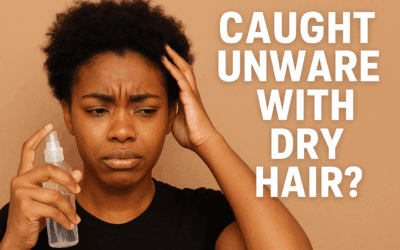
- Lack of moisture
- Heat damage or over-styling
- Harsh shampoos or chemical treatments
Knowing the difference will help you style smarter.
How to Encourage Good Frizz (and Control the Bad Kind)
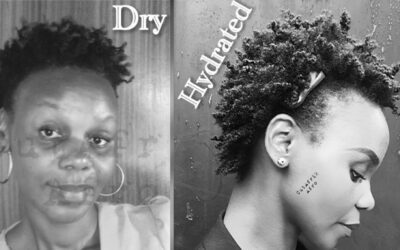
- Hydrate your strands – Use a moisturizing conditioner to prevent dryness. Hydration keeps frizz soft and bouncy instead of brittle.
- Style with lightweight gels or curling creams – Products like a natural curling gum help define curls while allowing a little frizz for volume.
- Avoid over-brushing dry curls – That often creates the frizz you don’t want. Instead, finger-comb or use a wide-tooth comb on damp hair.
- Seal in shine with oils or butters – Olive oil, cocoa butter, or lightweight serums can smooth flyaways while keeping curls fluffy.
Why You Should Stop Fighting Frizz Altogether
Frizz is simply your hair reaching for moisture in the air. Instead of flattening it with heavy products, work with it. Think of frizz as your natural crown showing off its texture. With the right care routine, you’ll find that a little frizz is not only normal—but beautiful.
Follow us on Instagram

Subscribe To Our YouTube Channel

CAA Products



Recent Comments