The popular technique of applying oil to damp skin is essential for locking in moisture, yet many struggle with inconsistent results—achieving a radiant glow today, only to wake up with dry, flaky skin tomorrow. This frustrating cycle signals that a simple lack of water isn’t the only issue.
We will diagnose the underlying problems, from a compromised skin barrier to environmental factors, and show you exactly how to stabilize your DIY skin hydration routine for a truly lasting glow.
But before that, why does applying oil to damp skin work?
Why Applying Oil to Damp Skin Works (The Damp Skin Rule)
- Water is the Hydrator: Applying water to damp skin immediately provides the hydration that your skin cells need to plump up.
- Oil is the Moisturizer (Occlusive): Applying a high-quality oil over the damp skin creates an occlusive barrier, which is essential for preventing Trans-Epidermal Water Loss (TEWL).
This technique is often called the “Damp Skin Rule” and is a favorite among skincare experts for achieving a lasting skin radiance:
- Maximum Absorption: When your skin is wet or damp (not dripping), its outermost layer (the stratum corneum) is more permeable, allowing the water to easily penetrate and the applied oil to seal it in effectively.
- Sealing the Water: The oil doesn’t add water, but it locks in the water that is already present on the skin’s surface, keeping your complexion plump and dewy for much longer than applying oil to dry skin.
Practical DIY Steps
Here’s how you can integrate your insight into the DIY Hydration Guide:
- Cleanse: Gently wash your face (preferably with lukewarm water).
- Mist/Spritz: Instead of towel-drying completely, use a simple Rosewater or Green Tea spritz, or just leave the natural water from your cleansing. The key is damp, not wet.
- Apply Oil: Immediately massage a few drops of your chosen non-comedogenic oil (like Jojoba, Rosehip, or Argan oil) directly onto the damp skin.
This simple routine maximizes your DIY skin hydration efforts!
This technique works but not always? Why?
When the “Oil on Damp Skin” Method Fails
If your skin drinks up the oil but still feels tight or flaky soon after, it usually means your skin barrier—the protective layer of lipids (fats)—is damaged. Think of your skin barrier as a brick wall: the skin cells are the bricks, and the natural oils (lipids) are the cement. If the cement is cracked, water leaks right out.
1. You’re Missing a Humectant Layer (The Water Magnet)
Oil is an occlusive (it seals), but it doesn’t attract water well. The water you apply to your skin can still evaporate if there isn’t a “water magnet” to hold onto it.
- The Problem: Your routine is just Water → Oil. The water you applied evaporates, and the oil just seals dry air against your skin.
- The DIY Fix (The “Moisture Sandwich”): You need a humectantbefore the oil. A humectant is an ingredient that pulls water from the air (or from the deeper layers of your skin) and holds it in the top layer.
- The Routine: Cleanse → Humectant (Aloe Vera, Honey, Flaxseed Gel, or Glycerin diluted in rosewater) → Oil.
- Result: The humectant pulls water to the surface, and the oil seals that water in place for lasting hydration.
2. The Cleanser is Too Harsh (The Stripping Agent)
The products you use before moisturizing have a huge impact. Many common face washes contain harsh surfactants (like sulfates) or alcohol that strip away your skin’s natural protective oils.
- The Problem: Using a stripping cleanser damages your skin barrier, creating more cracks for water to escape, immediately counteracting your moisturizing efforts.
- The DIY Fix: Switch to a gentle, non-foaming, pH-balanced cleanser. Use lukewarm, not hot, water. When your skin feels tight or squeaky after washing, it’s a sign you’ve stripped too much.
3. Environmental Factors Are Working Against You (The Vacuum Effect)
Your surrounding environment might be the biggest culprit in stealing your skin’s water.
- The Problem: Low humidity (from cold, dry winter air or indoor heating/air conditioning) constantly draws moisture out of your skin—a phenomenon called Trans-Epidermal Water Loss (TEWL).
- The DIY Fix:
- Use a Humidifier: Running a small humidifier, especially while you sleep, adds moisture back into the air, preventing your skin from losing water.
- Avoid Hot Water: Limit showers and washing to less than 10 minutes, using only lukewarm water.
4. Your Oil Choice Isn’t Occlusive Enough (The Thin Seal)
Not all oils are created equal. Some are lightweight and absorbed quickly, making them poor sealants for severely dry skin.
- The Problem: You might be using a very light oil (like Squalane or Rosehip oil) which offers moisture, but not enough of an occlusive barrier to lock in water.
- The DIY Fix: For persistent dryness, consider mixing your oil with a heavier occlusive ingredient at night, such as Shea Butter or a touch of pure petroleum jelly (sometimes called “slugging”) to create a truly robust, waterproof barrier.
Ready for Real, Long-Lasting Hydration? Try Our DIY Hydration Kit!
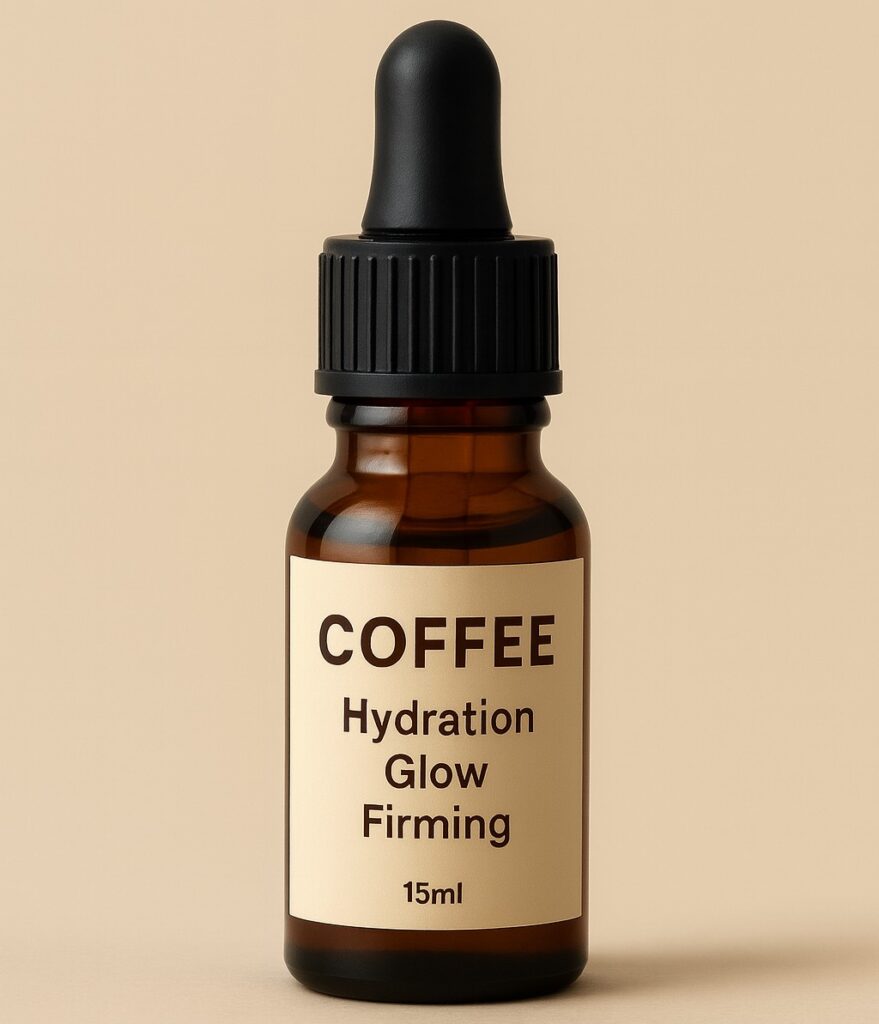
If you’re serious about keeping your skin soft, dewy, and naturally glowing, and don’t have time for a tedious DIY routine, take the guesswork out of your routine with our simplified Natural Hydration Skincare Kit. It’s made with the natural gentle, effective ingredients, aloe, glycerin, coffee, soothing oils, and skin-loving botanicals.
Whether you’re dealing with dryness, dullness, or just want that everyday fresh glow, this kit gives you a simple routine that actually works.
Visit our Natural Skincare Product Page to shop the full Hydrating Skincare Kit and start your glow journey today. Your skin will thank you! https://cut-afrik-afro.com/the-skincare-routine-behind-my-glow/
Wash and Go With CutAfrik Afro Products
Follow us on Instagram

Subscribe To Our YouTube Channel

Recreating Tyla’s sleek perfect edgy hairstyle from her recent Chanel appearance!
About CutAfrik
We’re not about perfection. We’re about practical. DIY Living is a cozy corner of the internet where everyday dilemmas meet down-to-earth solutions — whether you’re trying to style a curly tapered cut, whip up a feel-good stew, calm your skin, or just get your mood right before facing the world.
Recent Posts
Crochet Tapered Curly Cut With Bangs
CAA Products

How To Taper Cut Afro Hair
Crochet Curly Tapered Cut With Highlights
How to Use a Sponge for TWA
Master the Art of Flat Twist Out Hairstyles – Visual
Transitioning to Natural Hair With a Low Cut
Crochet Tapered Cut – Low Cut
Flexi Rod Set Short Natural Hair Tutorial!
Categories
Tags
4chair
acnetreatment
African American Cornrows
blog
ButterflyLocs
ButterflyLocsUganda
Cornrow By Yourself
Cornrows
CornrowsNaturalHair
Cornrows Uganda
CurlDefiningGel
curlyhair
DefinedCurls
diffuser
finger coils 4c hair
FlexiRodShortHairstylesInUganda
Haircare
Hairstyling
hairtexture
HairTips
kinkyhair
MiniTwists
naturalbeauty
naturalhair
Parting Hair For Cornrows
PermRodHairstylesInUganda
pimples
pixiecut
post
ShortButterflyLocs
ShortHair
shorthairstyles
ShortMiniTwists
skincare
Skincare Oils
skincareroutine
taperedcut
Taperedhair
twistout
Twist Out
Twists
Type4Hair
Wash and go
Wash and go 4c hair
wigs
Related articles
Recent Comments